Do you know the proper names for different bird flocks?

Tzu Hsuan Chen

Have you ever wondered what flamingos or crows are called? Bird enthusiasts and nature lovers know that bird flocks go far beyond the simple term “flock.” Depending on the species, groups of birds are referred to by distinctive and often poetic names such as a murder of crows or a flamboyance of flamingos. These collective nouns add charm to birdwatching and provide insight into bird behavior and social organization.

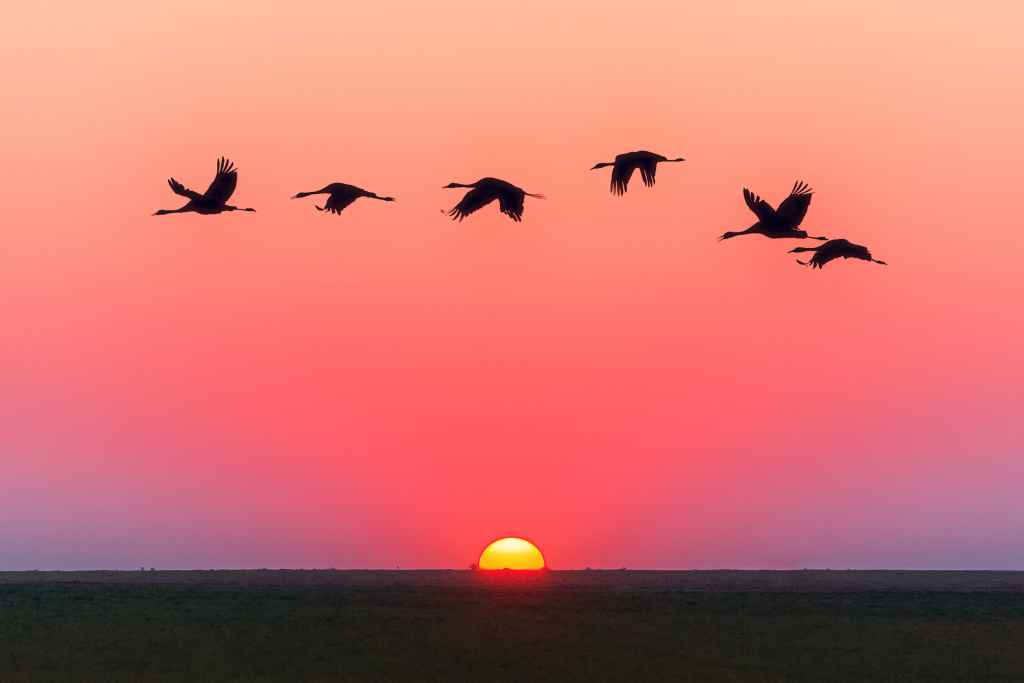
pvproductions / jplenio1 / “Pink sky sunset and flying birds ” / FreePik license

What is a flock?

A group of birds is typically called a flock, but not every gathering qualifies:

  • Numbers: Larger groups are typically called flocks. Small gatherings may still be considered flocks if the bird species are not usually social.

Why do birds fly together?

Flocking serves both survival and social functions:

  • Safety in numbers: Helps protect against predators.
  • Energy efficiency: Birds in a “V” formation conserve energy through drafting.
  • Predator evasion: Birds like starlings perform aerial maneuvers to confuse predators.
  • Camouflage: Species like dunlins tilt in unison to blend with their surroundings.

Fun fact: A group of crows is called a murder, a term rooted in folklore associating these intelligent birds with death and mystery.

Types of bird flocks and their unique names

Birds of prey

These powerful birds are known for their keen eyesight and hunting abilities.

  • Hawks and falcons: cast, cauldron, kettle
  • Eagles: convocation, congregation, aerie
  • Owls: parliament, wisdom, study, bazaar, glaring
  • Vultures (not buzzards): committee, venue, volt, wake
  • Buzzards: wake
  • Ravens: murder, congress, horde, unkindness
  • Crows: murder, congress, horde, muster, cauldron
  • Rooks: clamour, parliament, building

Small songbirds and perching birds

Often colorful and musical, these birds are common in gardens and forests.

  • Sparrows: host, quarrel, knot, flutter, crew
  • Finches: charm, trembling
  • Goldfinches: charm, treasury, vein, rush, trembling
  • Warblers: confusion, wrench, fall
  • Wrens: herd, chime
  • Chickadees: banditry
  • Kingbirds: coronation, court, tyranny
  • Larks: bevy, exaltation, ascension, happiness
  • Catbirds: mewing
  • Nightingales: watch

Colorful and exotic birds

These vibrant species are often tropical and culturally symbolic.

  • Hummingbirds: charm, glittering, shimmer, tune, bouquet, hover
  • Parrots: pandemonium, company, prattle
  • Peafowl: party, ostentation
  • Painted buntings: mural, palette
  • Red cardinals: college, conclave, radiance, Vatican
  • Jays: band, party, scold, cast
  • Magpies: tiding

Water and wading birds

These species are adapted for aquatic life, often seen near lakes, rivers, or coasts.

  • Ducks (various): raft, team, paddling, badling
  • Mallards: sord, flush
  • Geese: skein, wedge, gaggle, plump
  • Swans: wedge, ballet, lamentation, whiteness, regatta
  • Coots: cover
  • Cormorants: flight, gulp, sunning, swim
  • Pelicans: squadron, pod, scoop
  • Flamingos: flamboyance, stand
  • Herons: siege, sedge, scattering
  • Godwits: omniscience, prayer, pantheon
  • Storks: mustering
  • Phalaropes: swirl, twirl, whirl, whirligig
  • Plovers: congregation
  • Skimmers: scoop
  • Loons: asylum, cry, water dance
  • Frigatebirds: fleet, flotilla
  • Gulls: colony, squabble, flotilla, scavenging, gullery

Ground birds and game birds

These birds spend much of their time on the ground and are often hunted or farmed.

  • Quail: battery, drift, flush, rout, shake
  • Pheasants: nye, bevy, bouquet, covey
  • Partridges: covey
  • Wild turkeys: rafter, gobble, gang, posse
  • Chickens: peep
  • Game birds (grouse, ptarmigan): covey, pack, bevy
  • Emus: mob

Unique or miscellaneous species

These birds have distinct behaviors or names worth highlighting on their own.

  • Budgerigars: chatter—social parrots commonly kept as pets.
  • Cowbirds: corral, herd—notorious brood parasites.
  • Cranes: herd, dance—famous for their elaborate courtship dances.
  • Creepers: spiral—small birds that spiral up tree trunks.
  • Crossbills: crookedness, warp—named for their crossed bills.
  • Grosbeaks: gross—chunky finches with strong beaks.
  • Hoatzins: herd—primitive tropical birds with clawed wings as chicks.
  • Kingfishers: concentration, realm, clique, rattle—excellent divers and fishers.
  • Knots: cluster—migratory shorebirds that gather in huge groups.
  • Lapwings: deceit—known for their misleading predator tactics.
  • Roadrunners: race, marathon—fast, ground-dwelling birds of the desert.
  • Sapsuckers: slurp—woodpeckers that feed on tree sap.
  • Snipe: walk, wisp—elusive shorebirds, inspiration for the term “snipe hunt.”
  • Starlings: chattering, affliction, murmuration, scourge, constellation—known for their dramatic aerial flocks.
  • Swallows: flight, gulp—agile flyers that often feed midair.
  • Teals: spring—small freshwater ducks.
  • Terns: cotillion—graceful seabirds with acrobatic flight.
  • Turtledoves: pitying—symbolic in literature and holidays.
  • Woodcocks: fall—cryptic, ground-dwelling birds with camouflaged plumage.
  • Woodpeckers: descent, drumming—known for tapping sounds and tree excavation.

Conclusion

Birds are not only fascinating creatures to observe, but their collective behavior and the creative names given to their groups add a layer of wonder to birdwatching. Whether it’s a flamboyance of flamingos or a murmuration of starlings, each name tells a story about the species’ habits, personality, or place in cultural history. Understanding these terms enriches your appreciation of birds and connects you to a long-standing tradition of observing nature with both curiosity and imagination.

All rights reserved ©2016 - 2026 Achievable, Inc.

Discover more from Achievable Test Prep

Subscribe now to keep reading and get access to the full archive.

Continue reading