

For many people, visiting a pond and tossing a few breadcrumbs to ducks is a peaceful way to enjoy nature. It’s a moment of connection between humans and wildlife, between generations, and between memory and tradition. However, the growing awareness of environmental responsibility has led many to reconsider everyday actions, even those that seem harmless.
The truth is, the well-being of ducks and other waterfowl depends not on good intentions but on informed actions. This article highlights the hidden risks of feeding ducks bread and offers better ways to responsibly interact with and support these animals.
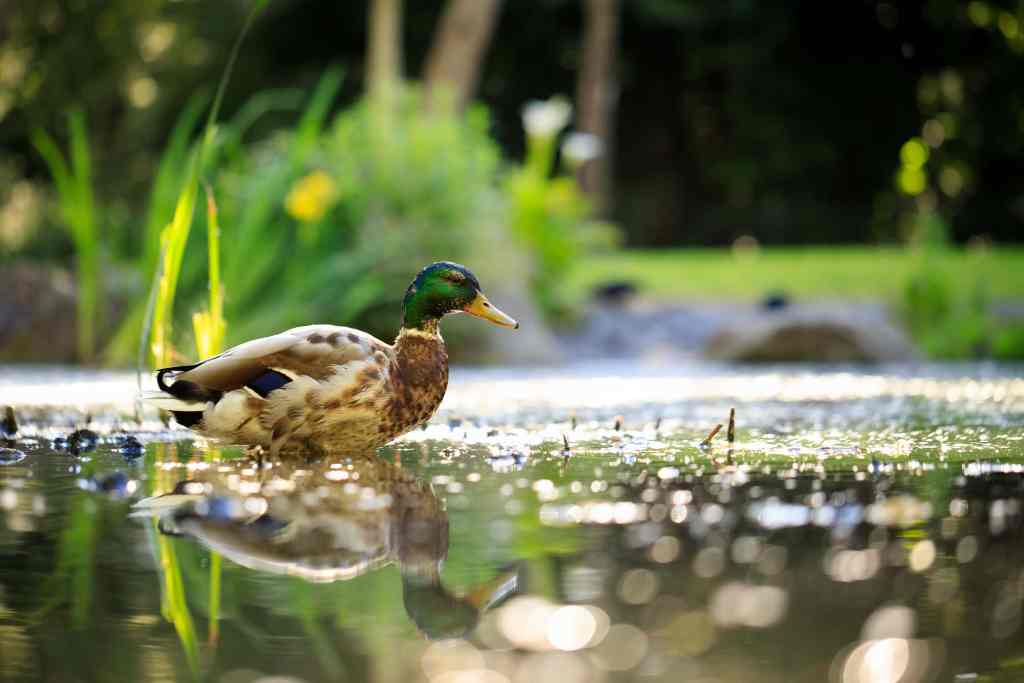
Although feeding ducks bread might seem like a simple act of kindness, it can cause more harm than good. Many people don’t realize that bread disrupts ducks’ natural feeding habits and contributes to long-term health and environmental issues. Below are some of the most significant reasons why bread is unsuitable for ducks and other waterfowl.
If you still want to enjoy the experience of feeding ducks, the good news is that there are plenty of healthier alternatives to bread. These options not only support the ducks’ well-being but also help preserve the natural balance of their habitat. Offering the right foods in moderation allows you to interact with wildlife in a safe and environmentally responsible way.
Healthier alternatives (in small portions):
Feeding tips:
Taking a more thoughtful approach to interacting with wildlife helps preserve the integrity of natural spaces and supports healthier ecosystems. Ducks that rely on natural food sources are more resilient, self-sufficient, and integrated into their environment. Our role isn’t to feed them, but to ensure the conditions exist where they don’t need to depend on us.
Whether we choose to bring duck-safe snacks, educate others, or simply enjoy ducks from a distance, we all have the opportunity to make a positive impact. Small behavioral changes lead to better outcomes for animals, people, and the places we all enjoy. Ultimately, respecting wild creatures means letting them be wild.
