

Empathy is one of the most important social and emotional skills children develop in their early years. It allows them to understand, connect with, and respond to others’ feelings. While empathy does not appear overnight, it begins forming in infancy and grows stronger with consistent nurturing from parents, caregivers, and teachers.
Let’s look at how empathy develops step by step, from infancy through kindergarten, and what you can do to support it at every stage.
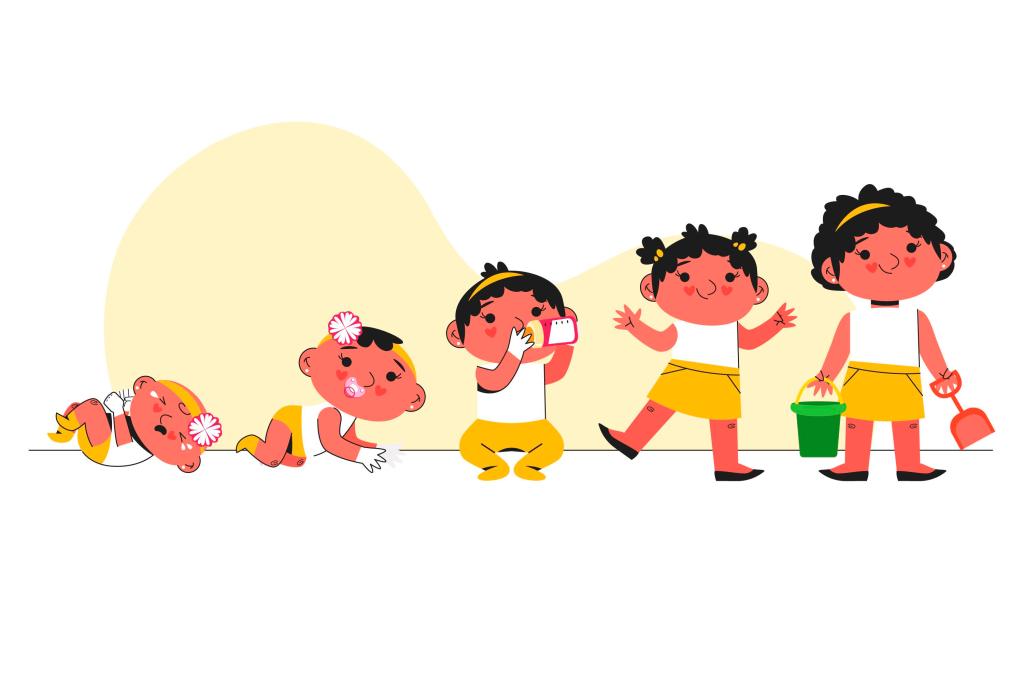
During the first two years, children begin to lay the emotional groundwork for empathy through strong, responsive relationships with their caregivers. Infants learn comfort and security when an adult responds consistently to their needs. Just as talking to babies supports early language development, soothing them helps them learn to comfort themselves and, eventually, others.
As babies grow, they begin to notice and mimic emotional expressions, such as smiling or laughing in response to those around them. Toddlers become sensitive to others’ emotions, often reacting to a peer’s distress without fully understanding the cause. At this stage, they are watching closely and imitating the adults who care for them, who provide a model for how to respond compassionately.
By around age two, children begin showing early signs of empathy, often in situations similar to those they have experienced themselves. While their understanding is still limited, these first attempts to comfort others mark the beginning of true empathic behavior.
By preschool age, children become more aware of emotions and can start to connect them to desires or situations. They may respond to a peer’s distress with simple gestures of comfort or reassurance. Around this time, they also begin to show the early ability to see things from another person’s perspective, though this skill is still developing.
Empathy at this age needs to be natural and sincere. When children are forced to say “sorry” without understanding the reason, they may not connect their words to the other person’s feelings. Instead, guide them with questions like “How do you think your friend feels?” which encourages more meaningful responses.
It is also common for preschoolers to misinterpret or overlook another child’s emotions if they do not share the same perspective. Helping them recognize different viewpoints is key to expanding their understanding of empathy.
By the time children reach kindergarten, their empathy becomes more thoughtful and complex. They can discuss feelings openly, relate them to their own experiences, and suggest ways to help others. Their growing vocabulary allows for deeper conversations about emotions, whether prompted by classroom events, books, or even media.
At this age, children also develop stronger nonverbal awareness. They begin to “read” emotions through body language, facial expressions, and tone of voice. This ability is essential for group interaction, as it helps children notice and adjust to the emotional energy around them.
Kindergarteners are especially eager to talk about their own emotions, which creates natural opportunities to discuss and compare feelings. With support from adults, these discussions help transform empathy into compassionate action.
Empathy is not a single lesson but a developmental process that unfolds gradually. Infants begin by learning comfort; toddlers watch and imitate; preschoolers connect emotions to situations; and kindergarteners learn to discuss and respond with compassion.
By modeling kindness and providing opportunities to practice caring behaviors, adults can help children grow into thoughtful and compassionate members of their communities. Nurtured step by step, empathy becomes a lifelong skill that strengthens relationships and supports emotional well-being.
