“How do you incorporate fun breaks into your exam study routine to keep your momentum and focus?”
Here is what 19 thought leaders had to say.
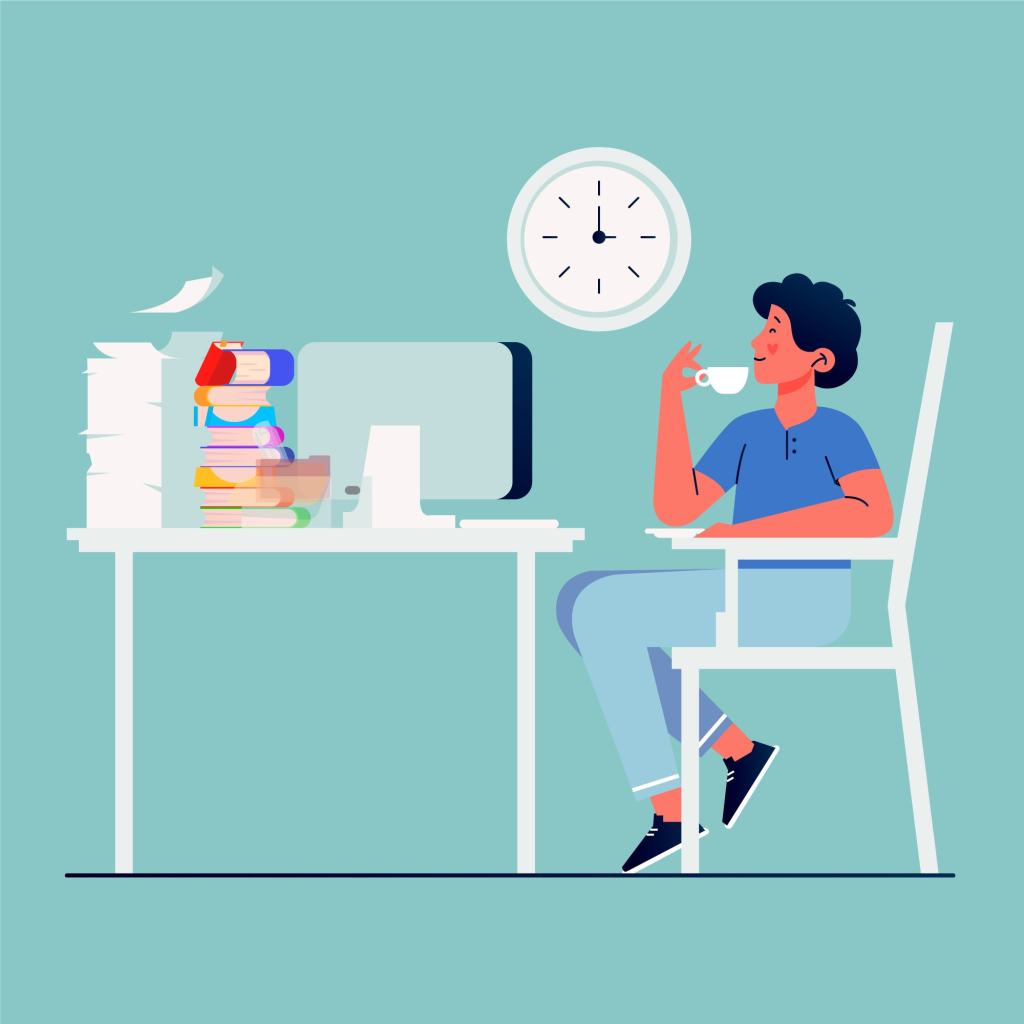
Balancing intense study with strategic breaks is essential for cognitive endurance. Try to adopt the achievement sandwich approach. This means tackling challenging material for 45-minute focused sessions followed by 10-15 minute rejuvenation periods. These are not just random breaks but purposeful reset moments.
Effective break activities should contrast with study tasks. If studying involves screen time, breaks should ideally be physical. A brisk walk outdoors, a quick stretching routine, or even household chores can stimulate different neural pathways while allowing the mind to process information subconsciously. We have found this approach particularly valuable when preparing students for high-stakes exams where maintaining mental freshness is crucial. The goal is not to study longer but smarter, using these intervals to consolidate learning rather than simply escape it. This rhythm creates sustainable momentum that prevents burnout while maximizing retention.
Music changes your state of mind faster than anything else. When I prepared for my board exams, I had a specific playlist of high-energy tracks. These weren’t study songs. When I hit a wall, I put on headphones and played exactly one song at maximum volume. I stood up and moved around. I didn’t just listen; I physically shook out the tension.
Sitting still for hours creates physical stress that leads to mental fatigue. You need to release that. I looked ridiculous dancing in my living room, but I didn’t care. The blood flow to my brain increased immediately. By the time the song ended, the lethargy had vanished. I sat back down feeling sharp.
Many people make the mistake of taking low-energy breaks, like reading the news or eating snacks. Those often lead to a slump. High-energy, short breaks keep the momentum high. Pick a song that makes you want to move and use it as your reset button. It separates your study blocks effectively.

Rengie Wisper, Marketing Lead, Escrowly.com
Before each of my study sessions begins, I have three specific items stored on the top of my desk. Each day is a new selection of music (dance songs), food (snack), and an activity (puzzle). When the timer goes off, no time is wasted looking for something to do.
When I used to study in school, I used to just sit and stare at the walls during my breaks because nothing was prepared. Today, I have three things that I rotate through each day, so I have a different experience each break. They are my puzzles, which help me focus again, my snacks, which give me instant energy, and my dance songs that get my blood flowing. Each takes about five minutes, and they are always ready in my desk drawer, so as soon as the timer goes off, I can quickly pick something and go. My breaks are now fun, and my focus comes back immediately.

Steven Bahbah, Managing Director, Service First Plumbing
Instead of traditional breaks, try micro-bursts of unrelated activities and pair them with sensory changes. For example, after 25 minutes of studying, switch to a two-minute task that uses different muscles or senses, like stretching while smelling a fresh essential oil or tapping a rhythmic pattern with your fingers. This acts as a quick mental reset that prevents fatigue without losing focus. The change in sensory input tricks your brain into feeling refreshed without the downtime of a full break, helping maintain momentum when you return to studying.

Liz Hutz, Owner, Liz Buys Houses
Momentum holds when breaks feel intentional instead of like escape. Study blocks stay capped at forty-five minutes, then the break changes state completely. Screens go away. The body moves. A five-minute walk, light stretching, or a quick task that uses hands resets attention better than scrolling ever does. The rule stays simple. Breaks must restore energy, not drain it.
Fun comes from contrast, not length. Music plays only during breaks, never while studying, so it feels earned. Short rewards stay predictable. One episode scene, a favorite snack portioned ahead of time, or ten minutes on a hobby creates a clean stop and start. That boundary keeps the break from bleeding into the next session.
Progress gets anchored to completion rather than time spent. Finishing a chapter or practice set triggers the break, which builds momentum through closure. On heavier days, one longer reset goes in the middle. A workout, a meal with friends, or time outside clears mental residue before returning. Focus stays intact because rest has structure and purpose rather than guilt attached to it.

Maegan Damugo, Marketing Coordinator, MacPherson’s Medical Supply
I led infantry Marines and now run restoration operations, so I’ve learned that mental fatigue kills performance faster than physical exhaustion. When I was studying for certifications in the restoration industry, I kept a timer and forced myself to stop every 90 minutes–not because I felt tired, but because I knew my retention would drop whether I felt it or not.
My break routine was simple: I’d walk outside for exactly 15 minutes and call someone I hadn’t talked to in a while–a buddy from the Corps, a former coworker, anyone. The social element completely reset my brain in ways that scrolling my phone never did. I came back sharper, and the material stuck better.
At CWF, I see the same thing with our techs during IICRC certification training. The ones who take real breaks–leaving the building, talking to someone, moving around–pass their exams on the first try. The ones who try to cram through lunch with their notes open usually need a second attempt. Your brain needs actual recovery, not just a different type of screen time.

Ryan Majewski, General Manager, CWF Restoration
I often remind our students and interns that sustained focus in healthcare education mirrors the balance we encourage in recovery, structure paired with intentional breaks. During exam preparation, I incorporate short, restorative breaks every 60-90 minutes.
These aren’t distractions; they’re purposeful resets. A quick walk, light stretching, or a brief mindfulness exercise helps regulate stress and prevents burnout, which is critical in healthcare fields where emotional fatigue is real. I also recommend small moments of enjoyment to keep energy levels steady. The goal is to return to studying refreshed, not guilty for stepping away. Just like patient care, effective studying is about pacing, self-awareness, and respecting your limits so you can perform at your best when it matters most.

Travis Wilson, Chief Admission Officer, The Lakes Treatment Center
I used tactile art projects during my breaks when I was studying for my PhD comprehensive exams in 2018. Everyone told me to take walks or scroll through my phone for 5 minutes, but those breaks didn’t reset my brain in a way I needed. So during my 15-minute breaks between study time, I’d work on small sections of paint-by-numbers or draw in coloured pencils. Nothing complicated, just filling in shapes or adding some shading to a drawing that I’d started earlier in the week.
This worked better than passive breaks because when you study for exams, your prefrontal cortex (the planning and analysis part of your brain) is working nonstop for hours. That area becomes fatigued, and that’s why you hit a wall after 90 minutes and aren’t able to take in any more information. But when you do something hands-on and visual in your breaks, you are activating different parts of your brain. Your motor cortex handles what your hands do, your visual cortex processes colors and shapes, and your prefrontal cortex gets actual downtime as opposed to just changing from task to task.

Dr. Eleni Nicolaou, Art Therapist & Creative Wellness Expert, Davincified
I spent nearly 14 years as an engineer at Intel before opening my repair shop, so I lived through plenty of certification exams and technical training cycles. The thing that kept me sane wasn’t scheduling breaks–it was making them completely non-negotiable and physically demanding.
I’d set a timer for 45-minute blocks, then immediately leave my study space and do something that required zero brainpower but got my blood moving. I’d reorganize a junk drawer, hand-wash dishes, or sort through old cables in my garage. The key was using my hands for something mindless and mechanical. It gave my brain actual rest while keeping me awake and alert.
What I learned later in my micro-soldering work is that your hands and brain are deeply connected–when you engage fine motor skills on something totally unrelated, it actually helps your brain consolidate what you just studied. I see this now when I’m doing complex board repairs: if I hit a mental wall diagnosing a circuit issue, I’ll switch to cleaning tools or organizing parts bins for ten minutes. When I come back, the solution often clicks immediately.
The biggest mistake I made early on was staying in the same chair during breaks. Even stretching at your desk doesn’t cut it–you need to physically leave the environment where you’re grinding. Your brain associates that space with effort, and it won’t actually rest until you’re somewhere else.

Cyndi Anastasio, Owner, Phone Fix Place
I take a walk one block out after 25 minutes of studying material, then come back fresh for the next go around. Mental fatigue accumulates quickly after three hours, so I manage breaks like job deadlines at my company. Five minutes of fresh air and steady steps refocus one totally. Momentum is built steadily since the legs pump the blood and the brain is supplied with oxygen.
My cousin went through her finals last year using my block-walking breaks. She raised her average for the business degree from 2.8 to 3.6 GPA that semester. Quick outdoor resets are preferable to sitting still each time.

Mark Friend, Company Director, Classroom365
For me, incorporating fun breaks into my study routine is all about balance and variety. When I hit a mental block or start to feel my focus slipping, I step away and do something that energizes me—like playing a quick round of my favorite video game or doing a short dance workout to my favorite playlist.
Such activities are not only entertaining but also make me refresh my mind and improve my mood. At other times, I would alternate it with a creative break, such as drawing or writing a totally unrelated object to studying, and this would allow me to exercise a different portion of my brain. These breaks should be purposeful and brief (no more than 10 to 15 minutes) so that I do not lose my momentum. The introduction of fun has made me realize that I not only enjoy such moments, but that I am now even eager to look forward to such moments in order to make my study time effective and sustainable.

Prof. Dr. David Ratmoko, Owner and Director, Metro Models
I ensure that I take short and planned fun breaks when I am knee deep in exam preparation to prevent burnout. In my case, it is all variety and doing things that actually make me happy. As an example, I can go outside and take a brisk stroll and enjoy a bit of air, or I will turn on some of my favorite uplifting songs and dance a little; it is ridiculous, but so refreshing. I get myself to unwind with 15 minutes of a show or a couple of pages of an engaging book sometimes. The point is that I should balance these moments of fun; these situations do not bring my mood down or exhaust my brain, as they do not disorient my attention. With a timer on the study time and rest time, I will be able to take pleasure in these moments free of guilt and sustainable flow throughout the day.

David Zhang, CEO, Kate Backdrops
I treat study like curating an exhibit: focus and pacing matter. I usually set blocks of concentrated study time, then deliberately step away for a “fun break” to refresh my mind. Sometimes it’s sketching a quick idea, wandering through a gallery space, or even making a cup of coffee while listening to music. T
he key is doing something different from studying, something that sparks joy or movement. These breaks aren’t wasted time; they reset focus, recharge creativity, and help me return to studying with energy and clarity. I’ve found that mixing structured work with playful, short pauses keeps momentum high and makes the whole process more enjoyable, rather than feeling like a grind.
I use breaks as rewards, not escapes.
The difference matters. When I finish a defined chunk of work—say, drafting a speaker pitch or clearing five support tickets—I earn a break. Music, coffee, a quick walk, whatever feels like a reset. But it’s after the task closes, not in the middle when things get hard.
That small shift changed everything. Breaks started feeling good instead of guilty. And momentum stayed intact because I wasn’t teaching myself to quit when focus got uncomfortable.
The trap most people fall into is using breaks to avoid the hard part. You hit resistance, so you “just check your phone real quick” or “grab a snack.” Twenty minutes later, you’re cold and have to rebuild focus from scratch.
Progress makes breaks work. Finish something small, then step away. The win carries forward. The break actually recharges instead of fragmenting your attention into six half-done things.
If you can’t finish the whole task, finish a clear piece of it first. Reward completion, not avoidance.

Austin Benton, Marketing Strategist, Gotham Artists
I recall when I was studying in medical school at Oklahoma State, I had to study 14 hours for anatomy finals. I would borrow a Hacky Sack after 45 minutes, which belonged to my roommate, and kick it 20 times on the wall of the dormitory. My dormmates thought I was silly, yet that small game refreshed my brain more than coffee did.
I now find patients at Craft Body Scan doing the same: they spin a quarter on the lobby table, or make paper airplanes and paper cranes of our scrap papers when the wait time is unbearable. Those five-minute distractions do come in handy to eliminate the spiral of the mind.
Exams require stamina, such as surgery rotations, but straight cramming brings burnout. The Hacky Sack game that I did earlier bounced me through boards, and I believe students also require that reset.

Dr. Jason Schroder, Medical Director & Co-Founder, Craft Body Scan
Build breaks into your study plan as a sort of ‘check-in’ point where you test yourself on what you just learned, rather than relaxing passively. After learning a section, take 10 minutes to explain the concept out loud to yourself or someone else, write down key points from memory, or create a quick quiz. This type of active break helps reinforce learning, all while giving your brain a break from absorbing information and instead starting to process it, which helps keep the brain moving much better than fully disconnecting.
Instead of using breaks to take time off, use them to change the physical environment. Switch rooms, go outside, and study for the next session, or change the way you study during the break. Changing location helps to mentally disconnect between blocks of studying and keeps anyone from becoming mentally fatigued from sitting in the same place for hours. Your brain is linking the new environment to a new focus, so it will be better for you to keep a focus on it when you do return instead of feeling like you are on an endless grind behind the same chair.

Baris Zeren, CEO, Bookyourdata
Test anxiety is essentially a buildup of cortisol, so you can’t really “think” or study your way out of it. The best way to calm down the cortisol is to laugh. If I’m overwhelmed, I like to take 10 or 20 minutes to watch a stand-up clip or laugh at some unrelated memes. It releases endorphins that physically relax your tension without dulling your alertness, and helps you reset and get back into study mode. You get to return to the material with a lighter, more resilient mindset and feel refreshed. It also helps to cut down on known cortisol boosters during tough study times, like caffeine, and to work out a little extra to keep your body in check.
Sometimes a laugh isn’t enough. If you’re stuck on a tough topic and feeling defeated, laughter might feel impossible. Look for something that inspires you, like an impressive sports highlight, a talented dancer, or a video of a musician nailing a complex solo. Your brain will biologically mimic the winner’s dopamine spike, so you can get the rush of a win and competence that helps you feel more confident diving back into studying.
“Powering through” is not effective when your brain is chemically flooded with stress, so don’t try to fight against your brain—work with it.

Joern Meissner, Founder & Chairman, Manhattan Review
I used to dread study breaks. I thought they wasted time. But then I hit a wall during my finals in college. I couldn’t focus. I stared at the same page for twenty minutes. My roommate dragged me outside to toss a Frisbee. Just ten minutes. We laughed, ran around, and got some fresh air. When I went back to my desk, my brain felt clearer. I actually finished the chapter in half the time it would have taken me otherwise.
Now I schedule active breaks. I set a timer for fifty minutes of work. When it goes off, I stop immediately. I get up and move. Sometimes I dance to a loud song. Sometimes I do a few jumping jacks. The key is to change your physical state. Sitting still makes your energy drop. Moving wakes you up. You don’t need a gym or a long break. Just move your body for five minutes. It resets your focus and keeps the momentum going. It sounds too simple, but it works.

Nikhil Pai, Founder, Chronicle Technologies
I find social breaks work best for me. Studying is lonely. You sit in silence for hours. It drains you. I coordinate breaks with a friend. We study separately but take breaks together. We call each other for ten minutes. We don’t talk about the exam. We talk about weekend plans or a TV show. We just chat. It reminds me there is a world outside the exam. It lowers my stress levels immediately.
If you study alone, call a family member. Just hear a friendly voice. It boosts your mood. When you feel good, you learn better. Stress blocks memory. Happiness opens it up. So, connect with someone. Even a quick text conversation helps. Just make sure you end the conversation when the break is over. Tell them you have to go back to work. Most people understand. They will support you. This little bit of social interaction keeps you sane and motivated to keep pushing through the material.