

“How do you customize your space to make it more aesthetically pleasing during study sessions?”
Here is what 20 thought leaders had to say.
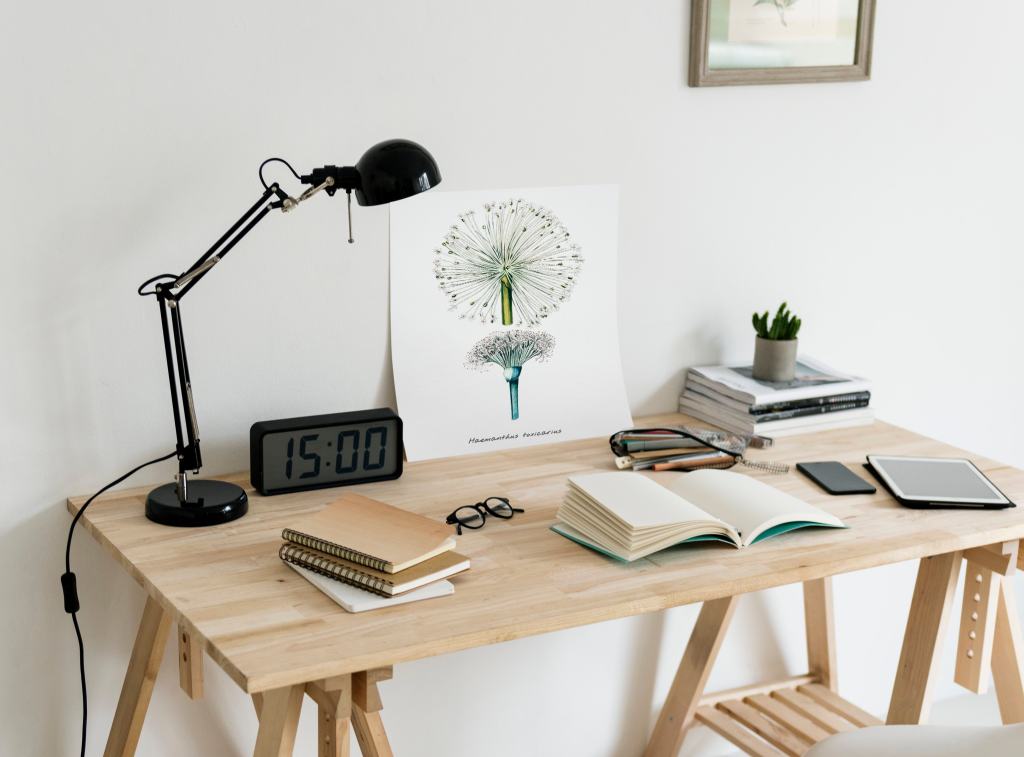
I run furnished rental lofts in Detroit, and I’ve spent years learning what makes spaces feel energizing versus draining. When I’m working on property management tasks or handling bookings, I’ve found that layering your lighting completely changes how a space feels during long work sessions.
I installed neon signs with our business logo in each unit, and that taught me something crucial – ambient colored lighting reduces eye strain way better than overhead lights. For study sessions, get a small LED strip (under $15 on Amazon) in warm white or soft blue and mount it behind your monitor or under a shelf. It creates depth and makes staring at screens for hours way less exhausting.
The other game-changer is adding one element that doesn’t belong in a typical study setup. In our lofts, we have pool tables and vintage arcade games near work areas, which sounds counterintuitive. But having something visually interesting in your peripheral vision – even if it’s just a small succulent collection or a mini basketball hoop – gives your brain micro-breaks when you glance up. Your focus actually improves because you’re not trapped in a sterile box.
I also keep velvet throw pillows on the chair in my unit’s workspaces. Rich textures make you feel like you’re in a curated environment rather than a fluorescent library, and that psychological shift keeps you engaged longer. The wooden beams in our buildings inspired this – natural materials just hit different than plastic desks.

Sean Swain, Company Owner, Detroit Furnished Rentals LLC
I always design my lighting as if I’m setting a small stage for concentration. Before each study session, I dim every light except one that shines directly on my work. It feels theatrical in a simple way and helps my mind understand it’s time to focus. The light separates my inner world from the noise outside.
Sometimes soft shadows fall across my notes, making the space feel warm and imperfect, like a living painting. That bit of texture keeps the process from feeling mechanical and makes studying feel more human and creative. Each change of light shapes my thoughts and turns focus into something calm and intentional.

Ryan Beattie, Director of Business Development, UK SARMs
During study-heavy stretches, I swap out my chair for a simple wooden stool. No backrest, no cushion. Might sound odd, but it keeps me alert and makes distractions feel less inviting. When the seat’s just comfortable enough to do the work but not relax into it, my brain stays on track longer. It’s kind of like using just enough pressure to keep moving forward without letting things stall out.
The desk setup stays lean, too—only the item I’m working on, a pen, and a legal pad. I keep everything else on a nearby shelf and grab things only when needed. That tiny bit of effort to reach something makes me double-check whether I actually need it. Little habits like that cut down on task-switching and boost how long I can stay dialed in.

Craig Focht, Cofounder & CEO, All Pro Door Repair
Despite the grueling tasks and deadlines I encountered as an Architecture major, I always made time to customize my space by hanging a corkboard on the wall to the left of my desk and a pegboard just right in front of it. Both of which display art prints I’ve collected, positive affirmations to boost my confidence, and trinkets I got from friends to spark inspiration.
I also limit the items on my desk to only the essentials: my laptop, notebook, and writing materials. I feel like it also helped that my room had a window, which made my small space feel more open and lived in.
One thing I never really outgrew, now that I’m managing Cafely, is how I would put a Chinese evergreen plant on my desk. I particularly love staring at its colorful foliage whenever I’m stuck figuring out an idea for my business, which I believe is what helped me survive my college days and easily adjust to working from home.

Mimi Nguyen, Founder, Cafely
My desk gets messy, my brain gets messy. When files pile up, especially with tough client work, I just can’t think straight. I found that taking a minute to clear it before a big task makes a huge difference. My head feels so much clearer. If you find yourself getting distracted, maybe try tidying up your area. It might work for you, too.

Selene Luk, Customer Care Manager, Spanish Cultural Association of Hong Kong
I try to remove as many distractions as possible. My desk at home is very minimal, as is the entire surrounding area. I find that this really helps me remain focused. Because the entire area looks clean and not cluttered due to being minimal, there are less visual distractions. This keeps my mind focused on what I am working on.

Seamus Nally, CEO, TurboTenant
I think the colors you choose for your study space can make a huge difference in how aesthetically pleasing they are. I have always had trouble focusing in small, dark rooms, ever since I was in school, so for me the best study space would have brighter, fresher colors. I think something like opting for a light neutral wall color, even in a natural tone like a neutral green, can be a great option for study spaces.

Carr Lanphier, CEO, Improovy
I use AI art for my desktop background that changes with my work. When I’m starting a new task, I’ll switch the image from something calm to more vibrant. It’s not replacing my actual decor, but it helps me think differently and makes the space feel more like my own. It’s a small thing that keeps the room from feeling static.

Runbo Li, CEO, Magic Hour
I keep a “trigger zone”—a 2-foot radius where everything’s intentional. Within that bubble, there’s exactly one visual object that doesn’t belong there: something totally unrelated to work. In my case, it’s a rusted $20 compass from a pawn shop. Nothing functional about it. It’s just there to remind me that not everything has to be optimized. That strange little detail keeps the whole space grounded… and strangely more livable.

Shane Lucado, Esq., Founder & CEO, InPerSuit™
Never underestimate the impact of colors. Different colors impact your mood and energy levels, so if you can make sure to incorporate the right colors in your study/work space, that can be really helpful. Blue, for example, is known to help provide a sense of calm and promote focus. Green is known to help reduce anxiety and encourage creativity.

Rassan Grant, Founder, Norstone
I keep a small glass box on my desk with tiny, symbolic items such as a train ticket from my first solo trip or a torn notebook page with a quote I once failed to understand but now do. It’s my personal museum of progress.
During study breaks, I open it and touch one object as a way to remind myself how far I’ve come. The space becomes less about perfection and more about presence, a reminder that beauty in learning grows from traces of the journey, not spotless design.
Every item in that box carries a story that quietly restores my focus when I’m drained. It turns my study corner into a place that doesn’t just hold books but holds meaning and memory, too.

Kellon Ambrose, Managing Director, Electric Wheelchairs USA
I match my study energy to color. Each session begins with choosing a shade that reflects how I want to feel, such as calm blue for focus, soft green for balance, or deep burgundy for motivation. I adjust my notebook covers, wallpapers, or sticky notes to fit that theme. This small habit quietly trains my mind to enter the right state before studying.
The space starts to mirror my intentions, and the colors guide my thoughts in subtle ways. It is a gentle kind of therapy that speaks through light and tone. The room becomes a silent language that holds my focus steady.
Certain hues slow my pace and steady my breathing, while brighter tones give me a quiet push forward. It feels as if I am painting my own energy before opening a book. Each color adds emotion to the room, shaping the way I learn that day.

Jeffrey Zhou, CEO & Founder, Fig Loans
Building a sense of a serene environment and concentration begins with the minimization of visual clutter. There is a common saying at Accurate Homes and commercial services, which is that design is not only about what you see, but how a room feels. Neutral walls, light and natural textures are best during study pep hours, as opposed to bright colors and clunky accessories. Sitting next to a window adds daylight, which is beneficial for focus and mood. Functional details such as floating shelves or concealed storage are also suggested by us to allow neatly arranged yet out-of-sight supplies. A balanced environment that is clean, does promote concentration. The aim is basic: to create a space that will empty your head just like it empties your table.

Belle Florendo, Marketing Coordinator, My Accurate Home and Commercial Services
I’ve spent decades attending the most stunning galas and salons across New York – from the Frick Collection to private townhouses on the Upper East Side – and I can tell you that ambiance transforms everything. When I’m writing my columns or preparing for media appearances, I create what I call “curated inspiration zones” in my workspace.
I keep art books strategically placed – currently a Halston monograph and an Andy Warhol retrospective from my Interview magazine days – because surrounding yourself with beautiful objects literally lifts your thinking. I also invested in proper lighting; a good desk lamp with warm, adjustable light (I use a vintage brass banker’s lamp) makes a dramatic difference compared to harsh overhead fluorescents.
Fresh flowers are non-negotiable. I learned this from covering countless society events where even the smallest details matter – a single stem in a bud vase from your local bodega costs $3-5 and instantly makes your space feel intentional. The Whitney Museum taught me that negative space matters too, so I keep surfaces relatively clear except for essentials.
One trick from my PR crisis management work: create a “view” even if you don’t have windows. I have a small framed photograph of the Met Gala steps facing my desk – it reminds me that good work leads to extraordinary experiences, which keeps me motivated during long writing sessions.

R. Couri Hay, Co-Founder, R. Couri Hay Columns
I began with a soothing color palette, usually consisting of soft grays and a warm wood tone. The next step was to eliminate visual distractions such as cables, extra pens, and so on. A single warm lamp about 2700-3000K is placed beside the desk so that the pages shine without any glare, which makes my eyes feel comfortable. I always have a plant within reach, even a tiny pothos, because the green color gives a natural look to the desk, and it also facilitates my quick settlement. Regarding supplies, I use a shallow tray which contains only the things I need for that session and everything else is put in a drawer; the tray indicates “study mode” and keeps the clutter away. A thin cork strip above the desk displays today’s key formula or outline; thus, the wall backs up the work instead of distracting me. I used to practice this during a difficult certification cycle, and the difference was evident: longer concentration blocks, less moving around, and a room that I really wanted to go back to.

Elisa Branda, Founder & CEO, NuvolediBellezza
I keep only five items on my desk: laptop, 32-ounce water bottle, 5×8 legal pad, weighted pen, and one noise-canceling earbud. That is it. The less your eyes wander, the less your attention bleeds. That said, I rotate ambient sounds (cafe noise, rainfall, or minimalist electronica) at 45-minute intervals using a small Bluetooth speaker tucked behind my monitor. As it turns out, the sound cues help me mark progress without ever looking at a clock. To top it off, I use a minimalist matte black wall clock with no numbers, just three hands. Subtle visual movement without pressure.

Guillermo Triana, Founder and CEO, PEO-Marketplace.com
I’d argue the most overlooked tweak is symmetry. When your desk, chair, and objects are visually balanced (say, centered or mirrored left to right), your brain processes it as stability. It’s weirdly calming. You don’t need to spend more than $15 on this. Two plants, two books, two small lamps. Equal spacing. Even spacing. Basically, your eyes don’t have to jump around the room, so your focus doesn’t either.

Dr. Christopher Croner, Principal, Sales Psychologist, and Assessment Developer, SalesDrive, LLC
I maintain a clean study area and deliberately so, since disorganization distracts me within a short time. The most significant change is the light and, therefore, I use a soft white bulb with approximately 400 lumens. It opens my eyes and wakes up my mind for hours. I put one ceramic cup on the right-hand side of my desk, as an indicator that it is time to concentrate. It is minor, but it is repetition, which trains the brain.
Scent matters too. I use the same perfume, such as bergamot or sandalwood, because a consistent smell complements my body, which is a signal that it is time to get down to business. I maintain a room temperature of 22 degrees C with one green plant in front of it to provide a soothing effect. Each decision is justified – to make a room that is silent but full of life. Once the environment is relaxed, being disciplined will no longer be an ordeal but will begin to come naturally.

Nicola Leiper, Director & Head of Project Management, Espresso Translations
I ensure that my studying environment inspires me by keeping the aesthetics simple, clean lines, warm lighting, and a splash of soothing color. Adding a live plant, a warm lamp, will turn the environment around completely; it will no longer look like a studying environment, but a living one. I also stick to one fragrance, citrus, only during studying sessions. As time passes, that particular fragrance sends a signal to the brain that studying time has arrived. It is crucial to keep the environment free of visual clutter since that affects concentration. Aesthetic is not something that costs money; aesthetic is a choice.

Matthew Johnston, Owner, Bug Shockers
Sound shapes focus as much as sight. I run low white noise through a small Bluetooth speaker, roughly at 40 decibels, just enough to blur distractions. Sometimes I burn cedarwood incense for that earthy tone—it clears the air and resets my attention fast. The desk itself sits facing a wall instead of a window, so nothing pulls my eyes away from the work. The goal is calm, clean, and repeatable. You walk in, sit down, and your brain immediately knows it is time to get things done.

Aaron Jakel, Founder, Bubblegum Roofing
