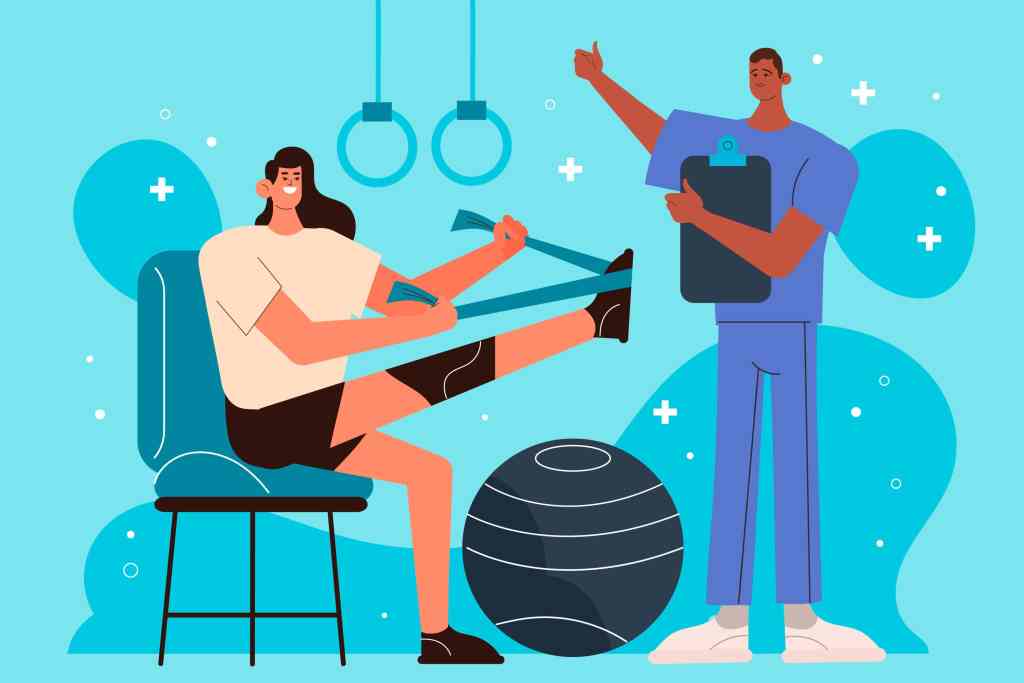
Ever watched an injured athlete walk off the field, only to return a few weeks later, stronger, faster, and more confident than before? That transformation doesn’t happen by luck.
Behind the scenes, there’s often a sports physical therapist working relentlessly to guide that athlete back to their best self. If you’re someone who loves sports, understands the drive to perform, and wants to help people heal and excel, this might just be your calling.
Let’s explore what being a sports physical therapist really means and how to become one.
At the heart of this career is movement—helping athletes move better and stronger after injury.
Here’s what you might do in this role:
Prevent injuries before they even happen by assessing risk factors and teaching proper techniques
Diagnose and treat sports-related injuries, from sprains to ACL tears
Build personalized rehab plans tailored to the athlete’s sport, body, and goals
Train athletes to improve mobility, strength, and coordination for better performance
Collaborate with coaches, athletic trainers, and doctors for holistic recovery
Whether you’re caring for a high school basketball player with a sprained ankle or a pro soccer star recovering from surgery, your role is vital.
How do you become a sports physical therapist?
1. Start with a bachelor’s degree (4 years)
Before you can dive into physical therapy school, you’ll need a solid academic foundation.
Most students major in something related to health or movement, like kinesiology, exercise science, biology, or pre-physical therapy.
You’ll take classes like anatomy, physiology, biomechanics, and psychology, subjects that give you a clear understanding of how the human body works and how people heal.
Tip: Use this time to volunteer or shadow a physical therapist, especially someone working with athletes. It will help you understand the field and strengthen your grad school application.
2. Apply to a doctor of physical therapy (DPT) program (3 years)
This is where your training becomes real.
A DPT program is a graduate-level program that takes about 3 years to complete.
You’ll receive hands-on clinical training and study injury rehabilitation, patient care, diagnostic techniques, and therapeutic exercises.
Many programs include rotations or internships, where you’ll work with real patients in hospitals, outpatient clinics, or sports centers.
It’s rigorous but rewarding. You’ll come out of it ready to handle everything from everyday injuries to high-performance rehab.
3. Pass the NPTE (National Physical Therapy Exam)
Before you can treat anyone as a licensed physical therapist, you need to pass the NPTE.
This national exam tests your knowledge of physical therapy practice, patient care, and ethical standards.
It’s a big step, but with focused preparation and the right resources, it’s totally manageable.
Now, here’s where your sports passion meets your PT skills.
To work specifically with athletes and earn the title of sports clinical specialist (SCS), you have two options:
Option 1: Complete a residency program in sports PT, which offers structured training in athletic injury treatment, performance enhancement, and on-field emergency care.
Option 2: Gain at least 1,500 hours of direct experience in sports physical therapy settings (without a residency).
Once you meet either requirement, you can take the SCS certification exam through the American Board of Physical Therapy Specialties (ABPTS).
This specialization isn’t required, but it boosts your credibility, deepens your knowledge, and opens the door to working with elite athletes or prestigious teams.
Where do sports PTs work?
You’re not tied to one setting. That’s part of the fun.
With pro or college sports teams
In rehab clinics or hospitals
At private performance and fitness centers
In schools or universities
At Olympic training facilities or with military units
Each environment brings different challenges and different kinds of motivation.
Skills and qualities that help you thrive
You don’t just need knowledge, you need heart.
Deep understanding of anatomy, exercise, and movement
Great communication skills to connect with athletes and earn trust
Problem-solving ability to tailor plans for unique bodies and injuries
Compassion and patience because recovery takes time
Adaptability to handle fast-paced or high-pressure situations
Common injuries you’ll treat
As a sports PT, you’ll see patterns, injuries that occur often in athletic populations:
ACL/MCL tears (common in soccer, football, skiing)
Concussions (you’ll often work in tandem with specialists)
Overuse injuries like tendonitis or runner’s knee
Each injury is an opportunity to educate and empower.
What techniques will you use?
Modern sports PTs have a full toolkit. Some of the methods include:
Manual therapy to reduce pain and restore movement
Strength and mobility exercises tailored to sport-specific needs
Neuromuscular re-education to retrain the brain-body connection
Gait and posture analysis for runners and athletes
Therapeutic modalities like ultrasound or electrical stimulation
Taping and bracing for protection and support
The techniques may vary, but the goal remains the same: safe, confident movement.
What are the challenges and rewards?
Challenges:
Working with frustrated or discouraged athletes
Long hours, especially during game seasons
High expectations from coaches, parents, and teams
Rewards:
Seeing someone run again after a serious injury
Being part of the athlete’s comeback story
The respect and gratitude you earn from those you help
Never having a boring day at work!
Salary and career outlook
How much do sports PTs make?
Salaries vary based on your setting, experience, and location, but the average U.S. PT salary ranges from $80,000–$110,000+. With specialization and time, sports PTs can earn even more.
Job outlook:
The demand for physical therapists is expected to grow steadily, especially with the rise of sports culture, fitness awareness, and injury prevention programs.
How to get started
If you’re thinking about this path, here’s how you can start:
Focus on science classes in school
Shadow a physical therapist
Volunteer at a clinic or with a local sports team
Explore DPT programs and admission requirements
Join student networks or APTA’s sports section
Every step counts and builds your foundation.
Final thoughts
Becoming a sports physical therapist isn’t just about knowing muscles and bones. It’s about helping someone walk without pain, train without fear, and play with heart again. If you’ve got the passion for people and performance, this is your chance to make a real impact.
So lace up. Your future as a healer, motivator, and movement expert is waiting on the sidelines, ready to take the field.