

When you are dealing with an injury or trying to recover from surgery, it can be overwhelming to figure out which healthcare professional you need. Physical therapists, chiropractors, physiotherapists, athletic trainers, and occupational therapists all work in the rehab and wellness space, but what exactly sets them apart?
In the populated world of healthcare, many professionals work to restore mobility, reduce pain, and improve quality of life. Rehab and wellness professionals may have goals that sometimes overlap, but each profession has specific training and a distinct focus and approach to patient care. Understanding these differences can help individuals make more informed choices about their rehabilitation and wellness options. Let’s break it down to understand what each one does.

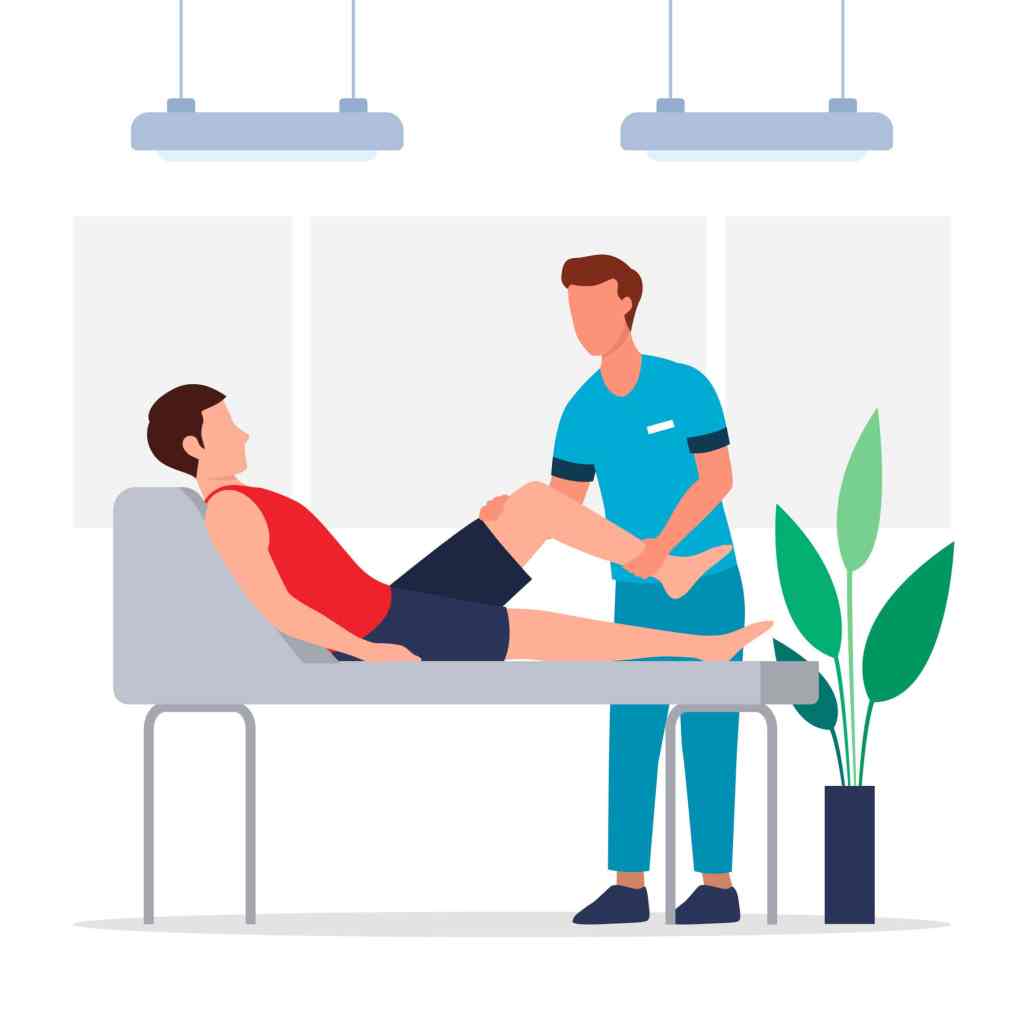
Physical therapists (PTs) are the best professionals for improving how your body moves. They work with people who are recovering from injuries, surgeries, or illnesses that affect mobility and physical function. People see PTs for a wide variety of reasons, like learning how to walk again after a stroke or trying to regain strength after a torn ACL. Physical therapists are trained to help you get back on your feet … literally.
In the U.S., PTs are expected to hold a doctor of physical therapy (DPT) degree and are licensed healthcare providers. They use a mix of hands-on therapy, guided exercises, and tools like ultrasound or electrical stimulation to reduce pain and improve mobility. PTs study topics such as, anatomy, physiology, biomechanics, and treatment techniques. You can find them at hospitals, outpatient clinics, rehabilitation centers, and some even come to patients’ homes.

In countries such as Canada, the United Kingdom, and Australia, physical therapists are known as physiotherapists. The term is often used interchangeably and they essentially do the same things. If you are outside of the United States and instructed to get a physiotherapist, it is virtually the same as getting a physical therapist.
Chiropractors are probably best known for adjusting the spine. They focus on the relationship between the spine and the nervous system, and believe that spinal misalignments can affect your overall health. When chiropractors practice on patients, that clicking sound you hear usually stems from the alignment of the bones.
Chiropractors are expected to earn a doctor of chiropractic (DC) degree. Their treatments usually center around manual adjustments and some may also offer exercises or even lifestyle advice. Chiropractors do not provide full-body rehabilitation or address a wide range of conditions like PTs do.

Athletic trainers (ATs) are usually found on the sidelines of sports events, ready to assist when an athlete goes down. They specialize in the prevention, assessment, and immediate care of sports-related injuries. Athletic trainers can tape ankles and knees, manage concussions, and guide athletes through the early stages of injury recovery. Unlike physical therapists, athletic trainers get involved during or immediately after an injury occurs.

Occupational therapists (OTs) help people develop or regain the ability to perform essential daily activities that can range from self-care and cooking to work tasks and social interactions. Their work is important for individuals recovering from strokes, coping with mental health challenges, or managing developmental delays.
OTs usually work in hospitals, schools, and community health settings. They practice using adaptive strategies, assistive devices, and environmental modifications to improve patients’ independence and quality of life. The difference is, PTs target physical movement and mobility, while OTs address how physical, cognitive, or sensory challenges affect everyday function.
The right healthcare professional depends on the patient’s needs. A patient recovering from leg surgery might see a physical therapist, while someone with chronic back pain may visit a chiropractor. An athlete with a sprain may benefit from an athletic trainer, and a stroke survivor might work with an occupational therapist to relearn daily tasks. Taking some time to understand these distinctions can help individuals to seek the most appropriate care and achieve better health outcomes.
