

Typically, many athletes strength and conditioning training to improve their athletic performance in a specific sport. The strength exercises promote muscle growth, making athletes stronger and better able to perform. The conditioning component helps improve cardiovascular health and endurance. Even though this type of training is commonly used by athletes, anyone can benefit from it!
Below, we’ll explore some common questions about strength and conditioning.
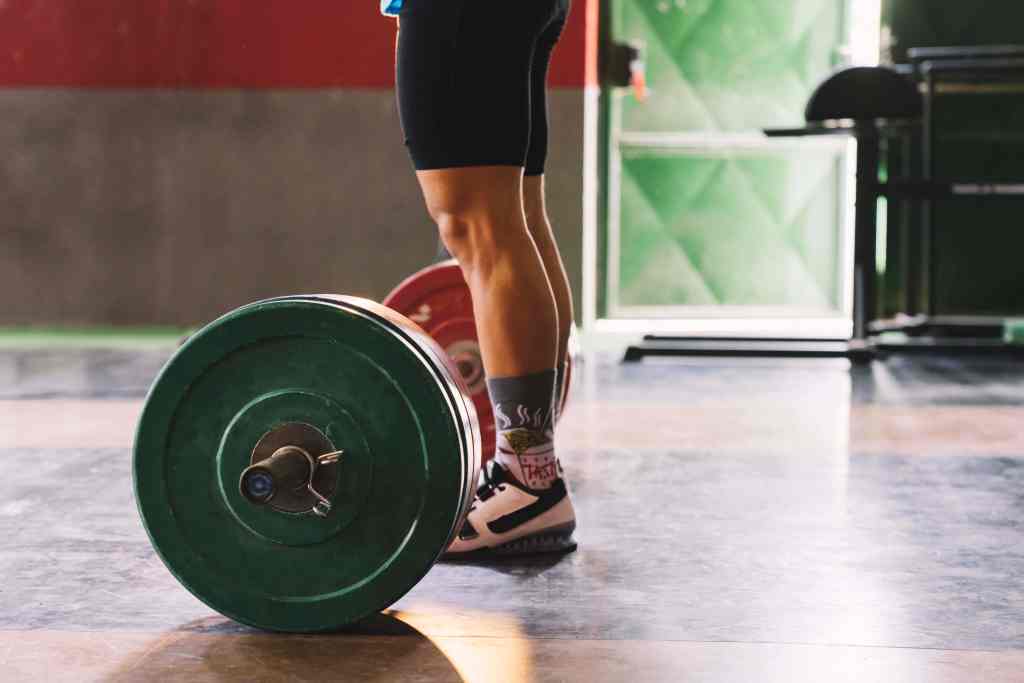
For the strength part of this training, exercises might involve lifting weights and targeting specific muscle groups to improve in a particular area (depending on one’s sport). Or, if there isn’t a specific goal, doing a well-rounded, full-body weightlifting session is also a great strength training option. Depending on their weekly gym schedule, many people choose to break up their strength training by muscle group, such as having leg day, arm day, or push/pull days.
Strength training could also entail doing lots of different body weight exercises, especially if one does not have access to weights or a gym. Push-ups, pull-ups, sit-ups, squats, or working with a resistance band are all good ways to improve strength.
Conditioning involves pushing your cardiovascular system. The goal is to improve endurance and stamina. Conditioning workouts might include HIIT (high-intensity interval training) routines, going for a run, using the Stairmaster, sprints, circuits—the list goes on.
Additionally, it is also important to incorporate stretching and rolling out into one’s workout routine. These practices of stretching out and using a foam roller aid muscle recovery, improve mobility, and prevent injuries.
Ultimately, this comes down to personal preference. It can be beneficial to combine both in a single session to make the most of your time. In that case, it’s generally best to do strength training first, while your muscles are fresh and you’re not fatigued from cardio. This allows you to build strength more effectively. For instance, this might look like completing 40 minutes to an hour of lifting or bodyweight exercises, followed by 15–20 minutes of conditioning, such as a short run, bike ride, or elliptical workout.
That being said, some people like to split strength and conditioning sessions across different days, especially if they work out frequently. If a person knows they can work out four days a week, then they might alternate strength and conditioning days so that their muscles have adequate recovery time. This could mean doing an hour of strength training focused on one muscle group one day, followed by a cardio-focused session the next.
A coach ensures that you use proper form and avoid injuries. Some weightlifting exercises, like squats or deadlifts, can be quite technical, and beginners risk injuring themselves if they use improper form, especially when lifting heavier weights. It’s wise to work with a coach at the beginning of your gym journey so you learn the correct techniques and then eventually continue confidently on your own.
Having a coach is also motivating. Knowing you’re paying for a coach encourages you to show up consistently. During workouts, a coach provides encouragement and pushes you to reach your limits.
Additionally, a coach can make you feel more comfortable, especially if you’re new to the gym. You won’t have to start out alone or worry about looking lost or unsure of what to do.
Ultimately, strength and conditioning can be highly beneficial for both athletes and non-athletes alike, and there are many different effective ways to incorporate strength and conditioning into a workout routine.
