

Making homemade hand sanitizer is a simple and effective way to stay protected from germs while avoiding the harsh or questionable ingredients often found in commercial brands. Not only can it be customized to suit your scent preferences, but it also serves as a fun and educational DIY project for both adults and children. With just a few basic ingredients, you can create your own sanitizer in minutes, saving money, avoiding skin irritation, and gaining peace of mind. The key is using the right kind of alcohol and mixing it with soothing agents like aloe vera or essential oils for added comfort and protection.
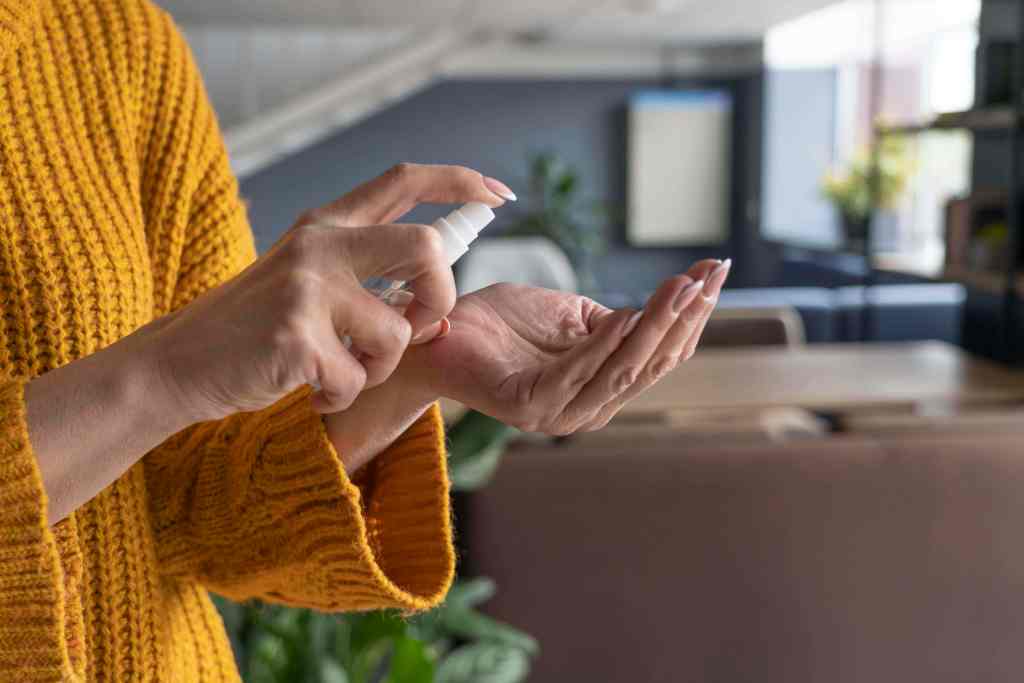
What you’ll need:
Step-by-step Instructions
Proper storage plays a crucial role in preserving the effectiveness of homemade hand sanitizer. When stored unopened in a cool, dry place away from direct sunlight and heat, it can last up to 2.5 years. This longevity depends on maintaining the integrity of the main active ingredient, alcohol, which can gradually evaporate when exposed to air or high temperatures, reducing its germ-fighting power. To protect your sanitizer, always use airtight containers and minimize exposure to light and heat. Labeling each bottle with the creation date helps track freshness over time. Using opaque or amber-colored bottles is also recommended, especially if essential oils are added, as these containers shield the oils from light and help preserve their potency and fragrance. If you notice any changes in consistency, scent, or effectiveness, it’s best to make a fresh batch. By following these simple practices, you can ensure your homemade sanitizer remains both effective and pleasant to use.
Creating your own hand sanitizer is quick, cost-effective, and allows full control over the ingredients you use. While alcohol is essential for disinfection, pairing it with skin-friendly components like aloe vera or essential oils enhances both comfort and safety. Always ensure the final product maintains at least 60% alcohol content to remain effective. And remember, if alcohol isn’t available, regular handwashing with soap and water is the safest alternative.
