

The importance of being active is undeniable, but that doesn’t mean you need to make exercise your newest hobby or undergo a major overhaul of your life. The goal of functional fitness is to increase your quality of life and decrease your risk of injury during everyday activities. This goal can be attained by exercising multiple muscle groups at the same time. Functional fitness is beneficial for everyone, regardless of age and fitness level, and can be done in the comfort of your own home. Below, we share all about functional fitness and give some examples of how you can practice functional fitness at home.

Functional fitness is exactly what it sounds like – exercise that assists with your everyday functioning. These exercises target multiple muscle groups in the body simultaneously, mirroring how you would use these muscle groups during everyday tasks. As a result, your quality of life will increase, as common physical tasks can be completed more easily and with significantly less risk of injury. We recommend that you complete a variety of functional fitness exercises at least 3 days a week for optimal results.
Functional fitness is highly accessible, as there is a wide variety of options and flexibility within your routine. There is no gym membership needed, as these exercises can be done from anywhere. Using equipment such as weights, resistance bands, fitness balls, etc. can be helpful within your workouts, but there are plenty of movements utilizing only your bodyweight that are just as effective. Exercises such as planks, squats, lunges, and rows all strengthen multiple muscle groups and can be done without any equipment. And these don’t only include “typical gym exercises”, as activities such as tai chi, pilates, and yoga are also filled with movements that assist with building functional fitness.
When it comes to functional fitness, there are countless benefits to be reaped. The benefits fall under two main categories: improved movement and improved physique. Read on for more detailed descriptions of what functional fitness has to offer.
Functional exercises are based on movement patterns, not isolated muscle actions. When practiced regularly, these exercises can enhance your overall movement capability. Functional exercises have been shown to improve balance, agility, and muscle strength, which are all important to attain while completing everyday activities. As a result, those tasks become easier, and the risk of injuring yourself is significantly lower. Aside from everyday tasks, functional fitness will help you perform at your highest level when it comes to doing anything active. Practicing movement patterns improves the overall health of your muscles in a way that typical strength training cannot. Whether you’re an athlete or far from it, functional training will help you move in the most efficient way possible.
As stated above, functional fitness has added benefits for your muscles that typical strength training does not possess. Using multiple muscle groups at the same time increases lean muscle mass, resulting in a more lean overall appearance. Functional training also can help increase your aerobic (lung) capacity while giving you the opportunity to burn more calories. In fact, functional training typically burns more calories than traditional strength training because it uses more of the muscles at one time – any time you are using more muscles, you are consuming more oxygen and burning more calories. So if you’ve been feeling like you haven’t been able to reach your fitness goals in the way you want to, functional fitness may be a great method to try.
There is a huge variety of options when it comes to choosing the functional movements that are right for you. The goal is to choose exercises that strengthen your muscles in the same way they are used in everyday tasks. Here are 5 movements that use multiple joints and muscles that are perfect for someone looking to start their functional fitness journey, and all but one can be done without any additional equipment.
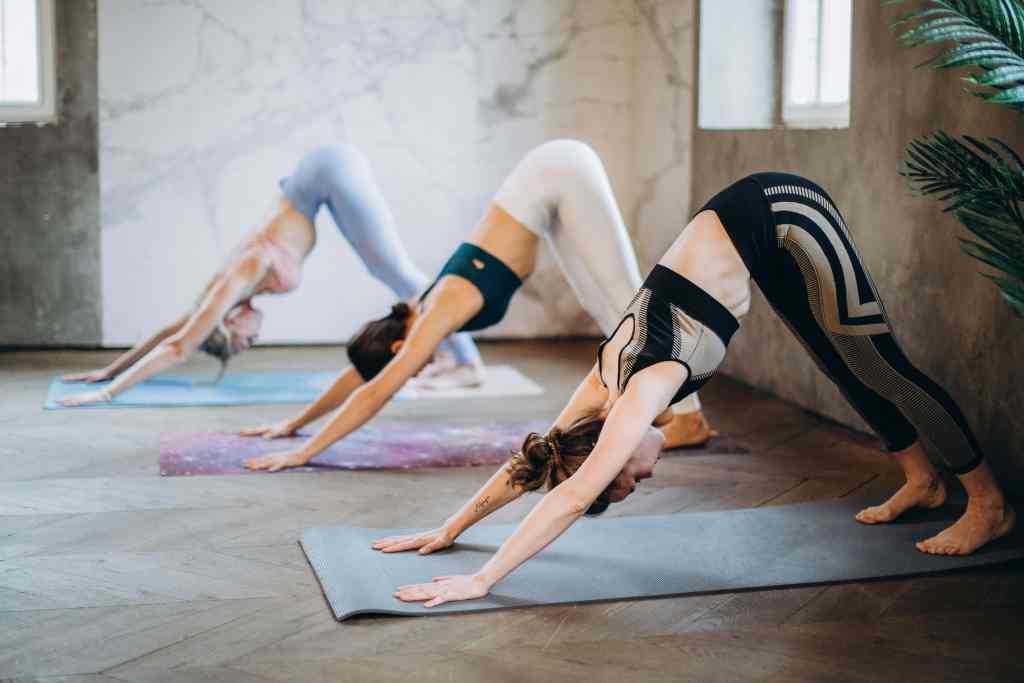
A movement frequently used in yoga practices, practicing downward dog is a great way to build functional fitness. Downward dog requires you to support your body weight, a function often used in everyday life.
Tips:

Planks are another movement that requires you to support your body weight, making it great for building overall strength. Additionally, getting into and holding the plank position requires mobility and balance, which is helpful for getting up off the floor.
Tips:
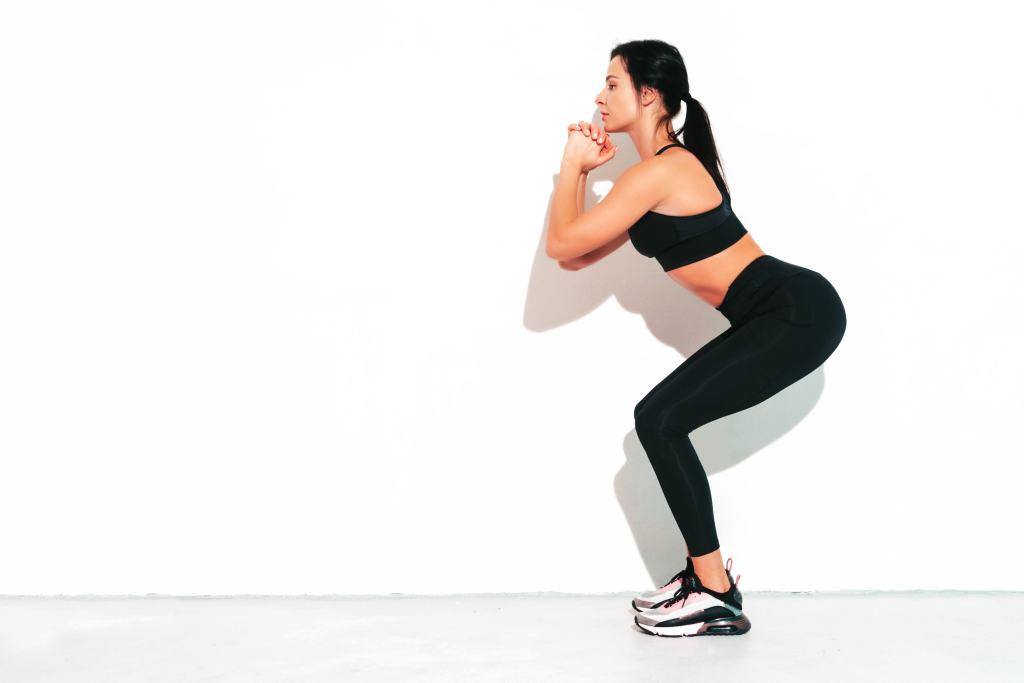
Squats train the muscles used when rising up and down from a chair or picking up objects off of the ground. These actions are done very frequently, making the squat one of the best functional fitness exercises you can choose.
Tips:
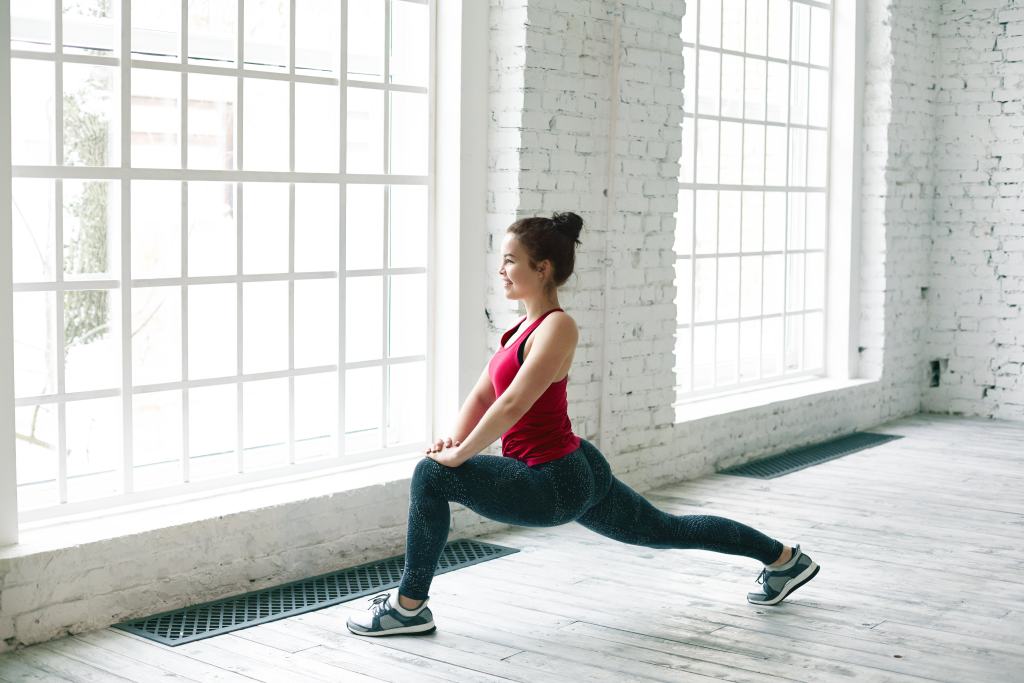
Lunges are another great exercise to help prepare your body for common activities, including vacuuming, yard work, and simply getting up off of the ground. Additional benefits include strengthening your quadriceps and promoting mobility in your knee joints.
Tips:
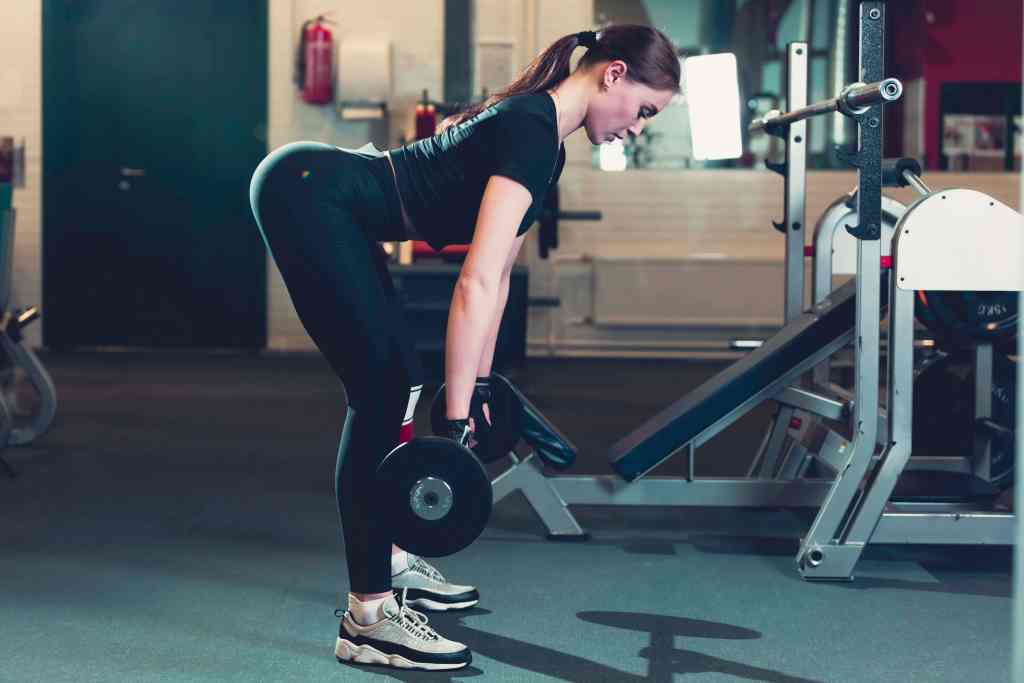
Deadlifts target multiple leg muscles while helping you practice the hip hinge. Implementing this exercise will allow you to pick up items from the ground more easily.
Tips:
There are plenty more functional fitness exercises that target the same muscle groups as listed above. These exercises should be used as a guideline, as they are typically beginner friendly. However, every body is different, so always trust how your body feels and do the exercises that feel best for you!
Functional fitness is a great way to stay active and increase your quality of life without making dramatic changes to your routine. These exercises are extremely accessible and adaptable, as the movements themselves are low risk, and practicing them significantly lowers your chance of getting injured during everyday tasks. Functional fitness is beneficial for people of all ages and experience levels, and will be sure to help you achieve your fitness goals no matter what they are!
