

It’s a well-known fact that alcohol can have negative effects on the body, but how does it affect athletic performance specifically? In this article, we’ll go over the ways that alcohol negatively affects athletic performance.
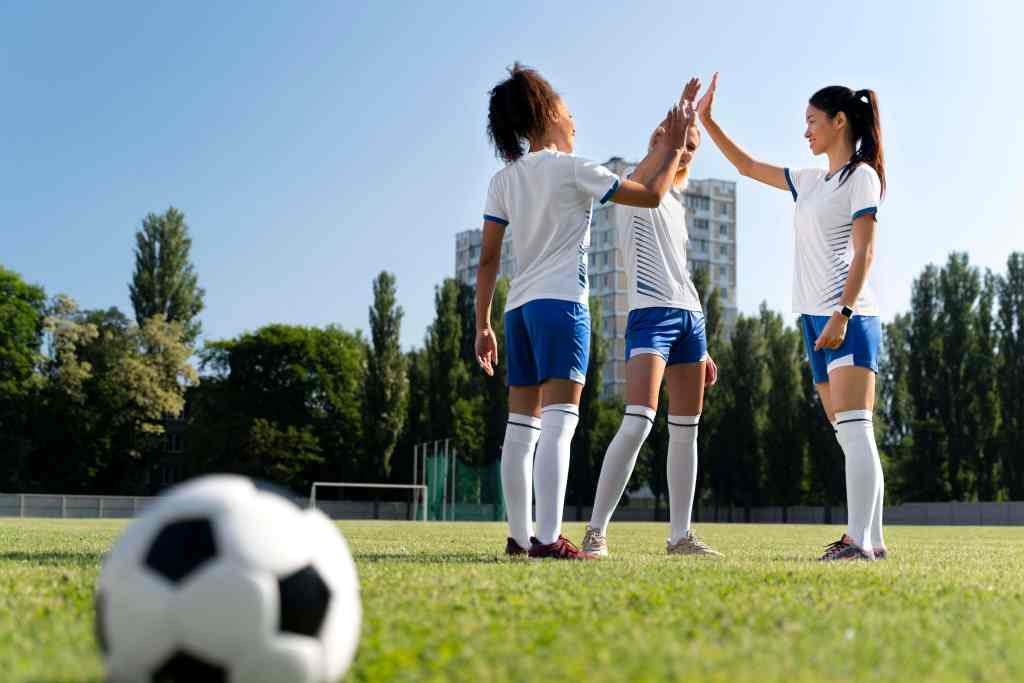
As one would expect, alcohol can severely inhibit physical performance. Since alcohol disrupts the nervous system, it can decrease coordination and balance, two very important things for athletes. In addition, alcohol can drastically decrease reaction times, which is detrimental in sports that require quick reflexes, such as racket sports. Alcohol also lowers the overall strength and power that your muscles can generate, making it harder to achieve peak performance.
In addition to the immediate effects, there are longer-term effects that can affect an athlete over the course of an entire game, tournament, etc. Alcohol is a diuretic, meaning it can make it harder to stay hydrated and maintain proper electrolyte balances. This can lead to a higher likelihood of muscle cramps, strains, and decreased endurance. Your muscles also won’t be able to recover as quickly from athletic activity; alcohol impairs the process of muscle protein synthesis, which slows down the repair and growth of muscle tissue.
When you combine all the symptoms above, it’s no shock that exercising or performing athletic activities while under the influence often leads to increased risk of avoidable injuries. Impaired balance and coordination can lead to falls and slips. Increased reaction times in sports where reaction time is paramount for safety, such as contact sports, can lead to injuries that wouldn’t have happened if you were able to react quickly enough to protect yourself.
Not only does alcohol impair physical performance, but it also hinders cognitive performance. Alcohol tends to make people less risk-averse than usual and impair judgment, potentially leading to risky behaviors and poor strategic decisions during competition. In addition, being inebriated simply slows down the mental faculties, making it harder to make decisions based on what you’re observing, a critical aspect of many sports.
In the long term, alcohol can negatively impact sleep cycles, which makes it harder for the body to recover after periods of athletic activity. Alcohol can also impair one’s memory, which could make learning and remembering plays and new strategies more difficult. Alcohol is also known to affect mood and motivation, making it harder to remain focused on athletic goals and training. Mood swings and increased irritability can affect one’s ability to work together in team sports, negatively impacting the whole team.
Athletes must make extra considerations before deciding to partake in alcohol. It negatively affects both the mental and physical aspects of athletic performance, and although anything is okay in moderation, too much alcohol could seriously jeopardize an athlete’s performance, particularly in the short term.
Non-athletes who engage in physical activity should also be wary of overconsuming alcohol, as many of the same pitfalls athletes can fall into apply to others as well. With moderation, athletes can occasionally consume alcohol, but it’s important to make sure that they’re aware of the negative effects on their overall performance.
